- Home
- Exterior painting
Exterior painting, built for Canadian weather.
Siding, stucco, trim, doors and decks, prepared and painted by vetted local painters who know your climate: wet coast winters, prairie sun, and freeze–thaw everywhere in between.
Quick answer
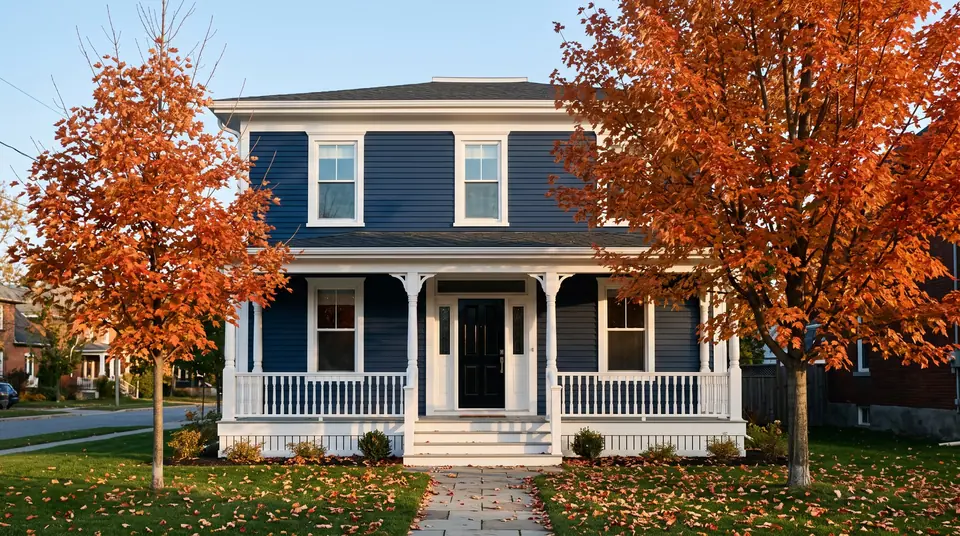
Painting the outside of a typical two-storey Canadian house costs about $6,000–$16,000, depending on size, and a bungalow about $4,000–$7,500. Paint on a dry day when the air and siding stay above about 10°C (late May to September in most of Canada) and expect a well-prepared two-coat job to last 7–10 years.
Exterior painting cost in Canada (October 2026)
| House | Typical price |
|---|---|
| Bungalow (1,000–1,200 sq ft) | $4,000–$7,500 |
| Two-storey, about 1,500 sq ft | $6,000–$10,000 |
| Two-storey, about 2,500 sq ft | $9,000–$16,000 |
| Large, complex or heavy-prep wood home | $15,000–$25,000 |
Includes washing, scraping, spot-priming and two coats on the body and trim, before tax.
| Add-on | Typical price |
|---|---|
| Front door, both sides and frame | $250–$400 |
| Garage door | $350–$800 |
| Deck staining (about 300 sq ft) | $750–$1,500 |
| Fence staining (typical backyard) | $1,000–$3,000 |
| Scaffolding or lift (tall or steep walls) | $500–$2,000 |
When to paint the outside of your house
Exterior paint needs dry surfaces and mild temperatures while it cures. Most acrylic exterior paints want 10°C or warmer for the air and the surface; low-temperature formulas go down to about 2–5°C. Morning dew, evening dew and rain within a few hours of painting are what ruin finishes most often.
| Region | Best window | Watch out for |
|---|---|---|
| BC coast (Vancouver, Victoria) | July to mid-September | Rain: siding needs a day or two to dry; use mildew-resistant products. |
| BC Interior and Okanagan | May to September | Hot afternoons: follow the shade around the house. |
| Prairies (Calgary, Edmonton, Saskatoon, Regina, Winnipeg) | Late May to mid-September | Short season and big temperature swings; extra caulking and prep. |
| Ontario and Quebec | Late May to September | Humid summers and heavy dew; September is often ideal. |
| Atlantic Canada | June to September | Fog, dew and salt air: start late morning, stop by mid-afternoon. |
| The North | Late June to August | A very short window: book painters early. |
Siding and surfaces
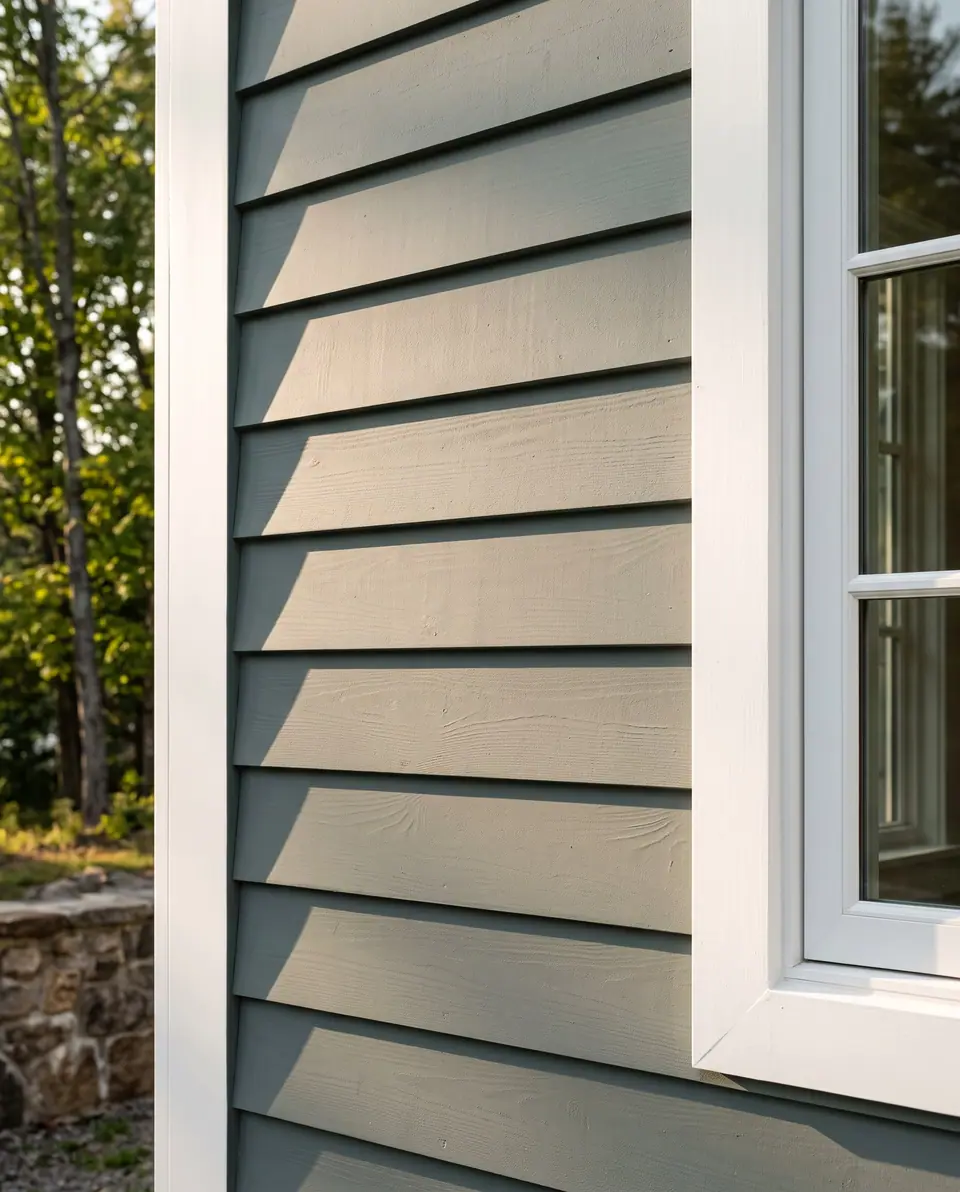
- Wood siding and trim. Scrape and sand failing paint, replace rotted boards, prime bare wood, then two coats of 100% acrylic.
- Vinyl siding. Paintable with vinyl-safe acrylics; avoid going much darker than the original colour, or the panels can warp in the sun.
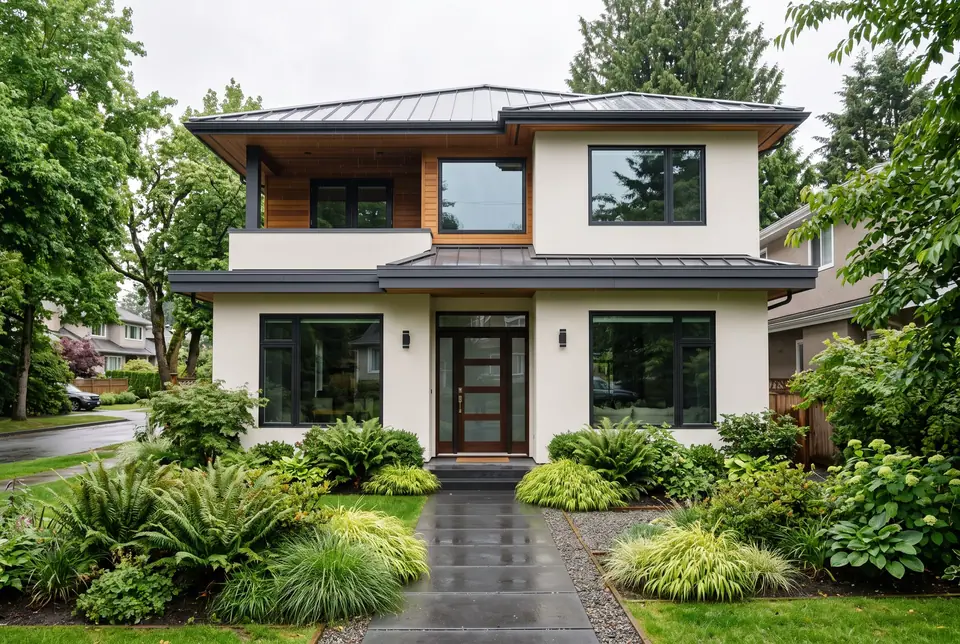
- Stucco. Patch cracks, then use a breathable masonry or elastomeric coating. Stucco soaks up paint, so it uses more of it.
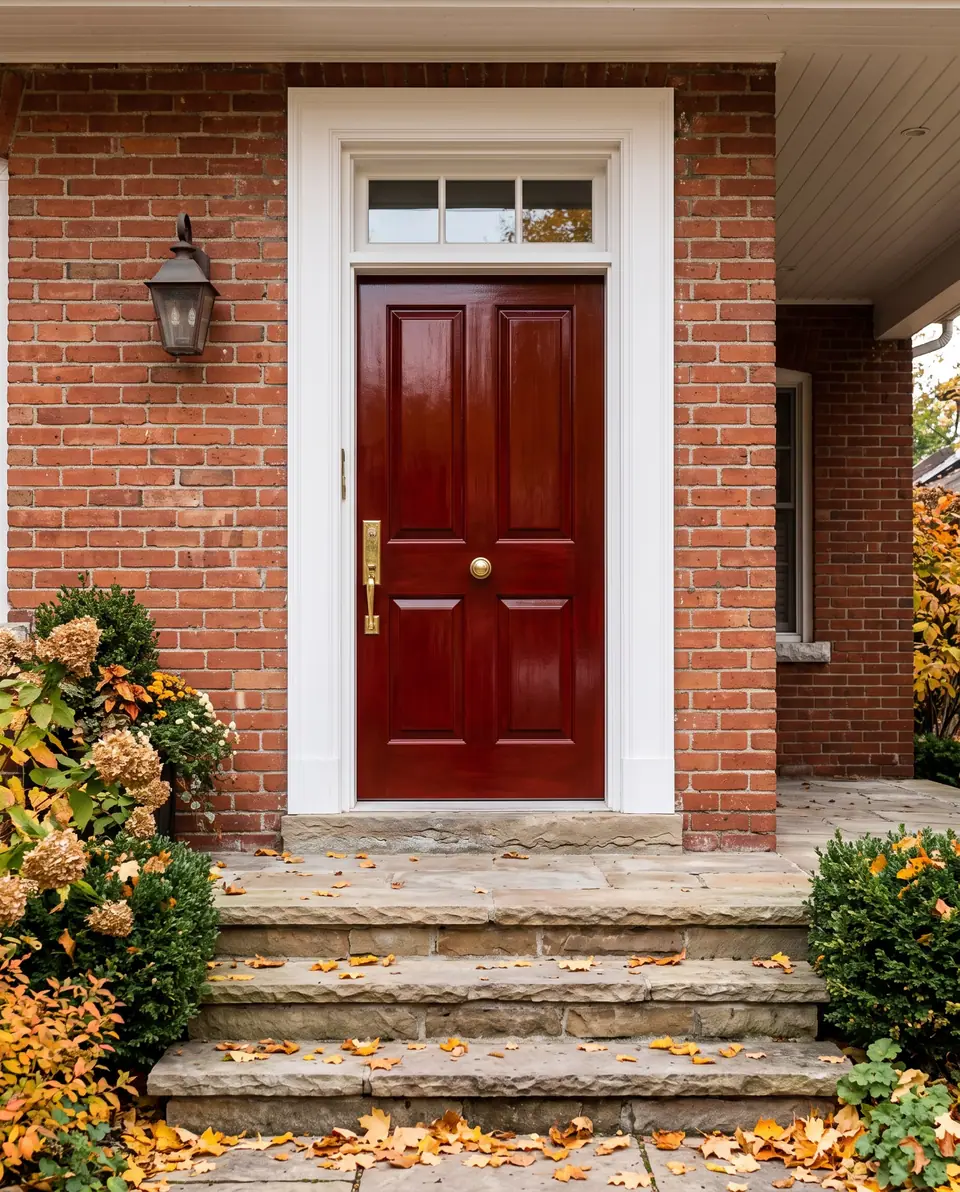
- Brick. Painting brick is close to permanent, and the paint must let moisture out. Mineral (silicate) paints and limewash are the safest choices.
- Aluminum siding. Clean off the chalky residue, prime where bare, then paint with acrylic.
- Doors, garage doors, shutters, railings. Sanded, primed and finished in durable exterior enamel.
- Decks and fences. Usually stained rather than painted; solid stains hide wear, semi-transparent ones show the grain.
What a good exterior quote includes
- Pressure or soft washing to remove dirt, chalk and mildew, then drying time.
- Scraping and sanding loose paint, filling holes and replacing rotted wood (often priced separately).
- Caulking joints around windows, doors and trim.
- Priming bare wood, repairs and stains.
- Two finish coats on the body, plus trim, soffits, fascia and doors as listed.
- Protecting plants, walkways, windows, roofs and fixtures; clean-up and a final walkthrough.
- The paint brand and product line, colours, schedule, weather plan and payment terms.
Older homes and lead paint
Health Canada says homes built before 1960 probably contain lead-based paint, and homes built between 1960 and 1990 may have it on exterior surfaces (interior paint from those years may contain smaller amounts). It advises against sanding, heat guns and blowtorches on lead paint, which release lead dust and fumes. If your home is older, ask how the painter tests for lead, contains chips and dust (ground sheeting, wet scraping, HEPA vacuums) and disposes of debris. It should be described in the quote.
Not sure about the colour? Take a photo of your house from the sidewalk and try up to 3 siding colours in Paint your home. Classic Canadian combinations to start with: Nova Scotia NavyClapboard GreyCape Breton Green
FAQ
Exterior painting, answered.
How much does it cost to paint the outside of a house in Canada?
Most Canadian homeowners pay $4,000–$7,500 for a bungalow and $6,000–$16,000 for a typical two-storey house, depending on size, including prep, primer where needed and two coats. Stucco, heavy scraping, rot repair, lead-safe work, steep lots and three-storey walls cost more.
When can you paint outside in Canada?
Late spring to early fall, on dry days when both the air and the siding stay above about 10°C for several hours after painting (some low-temperature paints allow 2–5°C). Avoid painting in direct midday sun, before rain, or late in the day when dew will settle on wet paint. In most of Canada that window is roughly May to September; on the BC coast it's the drier July–September stretch.
Can you paint vinyl siding?
Yes, with a 100% acrylic exterior paint labelled vinyl-safe, after a thorough cleaning. The key rule: don't go much darker than the original colour unless the product is formulated for darker colours on vinyl, because dark colours absorb heat and can warp the panels. Check your siding warranty first: some manufacturers don't honour it once vinyl is painted.
How long does exterior paint last?
A well-prepared, two-coat exterior paint job typically lasts 7–10 years on wood and fibre-cement siding and longer on stucco, depending on sun exposure, moisture and the product. South- and west-facing walls fade and wear fastest.
Should I worry about lead paint?
Health Canada says homes built before 1960 probably have lead-based paint, and homes built between 1960 and 1990 may have it, especially outside. It advises against sanding, heat guns or open-flame torches on old paint. Ask your painter how they test for lead and contain dust and chips; it should be in the quote.
Do I need to be home while the exterior is painted?
No, as long as the painters can reach water and power outlets and you've agreed on gate access, parking and where they'll set up. Close windows on the side being painted and move cars, patio furniture and planters away from the house.
Get your exterior quoted.
Painters book up fast for the summer. Get written quotes early in the spring for the best choice of dates.